
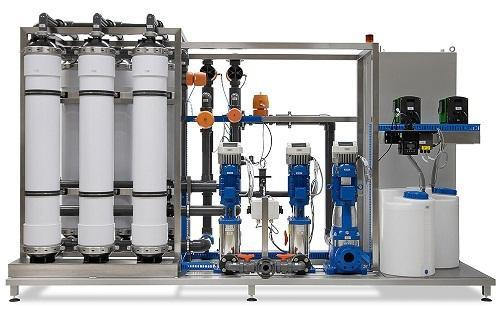
Water Treatment
Water Treatment Plant
removing dangerous pathogens, faecal coliforms, and toxic chemicals, these facilities prevent waterborne illnesses (such as cholera and diarrhea).
| capacity | 1000-5000 L/day |
|---|---|
| material | Industrial Grade |
| features | Automatic |
| application | Industrial / Food / Pharmaceutical Use |
| customization | Available according to client requirements |
Suitable for
Overview
About this machine
Features & Benefits
- removing dangerous pathogens, faecal coliforms, and toxic chemicals, these facilities prevent waterborne illnesses (such as cholera and diarrhea).
- Treating wastewater prevents toxic contaminants from being dumped into rivers, lakes, and oceans, which protects aquatic ecosystems and wildlife.
- Treating and recycling wastewater reduces the drain on natural freshwater aquifers, which is vital for combating regional water scarcity.
- Industrial Efficiency & Cost Savings: Industries rely on treatment plants (such as Effluent Treatment Plants) to produce high-purity water for boilers and cooling systems, preventing equipment scaling. Reusing treated water internally significantly cuts operational and disposal costs.
- Regulatory Compliance: Municipalities and factories install these plants to legally discharge their water back into the environment and meet strict government mandates
Related Machinery
More from Water Treatment
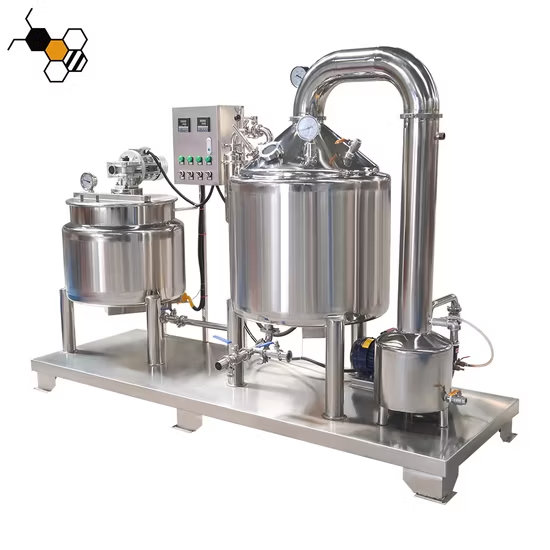
Honey Filtration Plant
Used for continuous liquefaction, clarifying micro-filtration, and moisture reduction of raw honey while preserving active enzymes.
View Details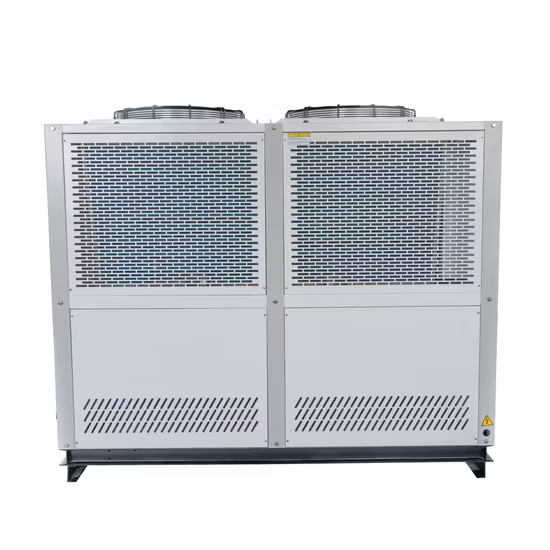
Portable Water Chillers for Pharmaceutical, Food, & Chemical Industry
The machine is designed for efficient industrial performance, durability, low maintenance, and customizable production requirements
View Details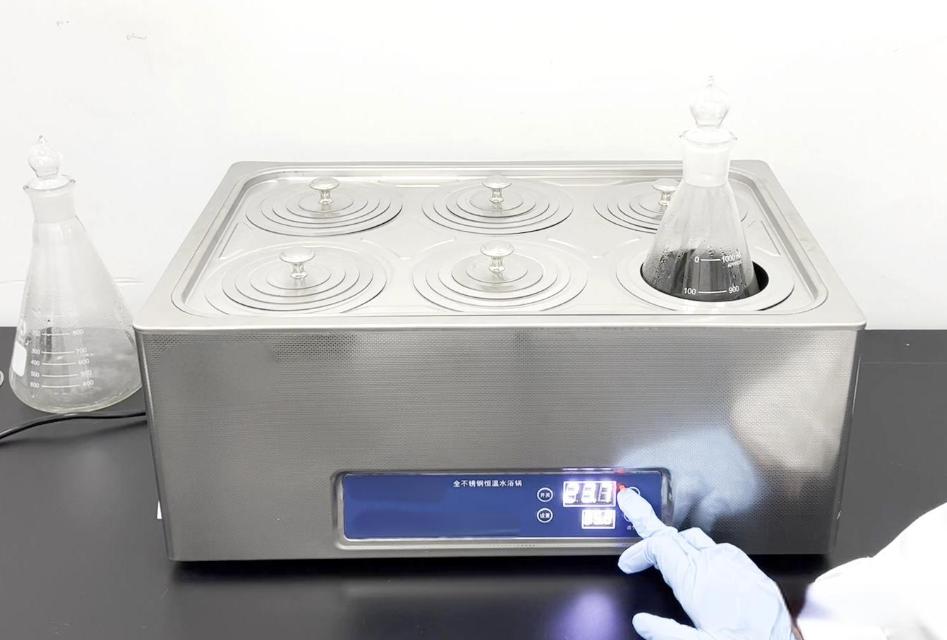
Water Bath for Pharmaceutical Industry
Thaws media bottles or heats food sample compounds indirectly during chemical analysis benchmarks.
View Details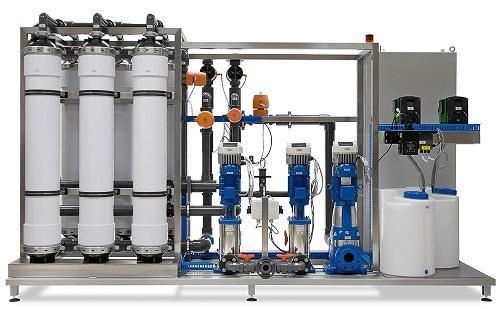
Water Filtration Plant
Physically blocks impurities like dirt, sand, rust, and silt by passing water through porous materials (like sand, carbon, or membranes).
View Details